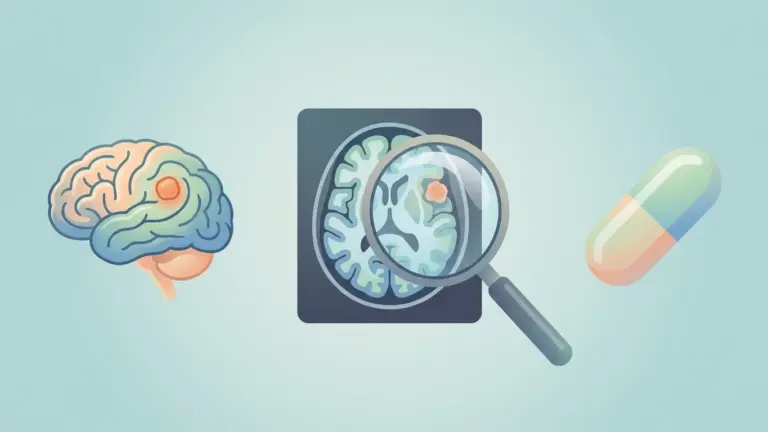

Treatment for anaplastic astrocytoma combines surgery, radiation, and chemotherapy in a specific, evidence-based sequence. This article walks through each step in detail. It also explains how IDH status and MGMT methylation shape the exact plan for each patient.
For background on the tumor itself, see our complete guide to Anaplastic Astrocytoma (Grade 3). If you have not yet completed diagnostic testing, our article on symptoms and diagnosis explains that process fully.
In This Article
- Treatment Goals and Overall Strategy
- Step 1: Maximal Safe Surgical Resection
- Step 2: Radiation Therapy
- Step 3: Chemotherapy
- How IDH and MGMT Status Guide Treatment Choice
- Comparing the Main Treatment Options
- Managing Treatment Side Effects
- Clinical Trials and Emerging Therapies
- Monitoring During and After Treatment
- Treating Recurrent Disease
- Rehabilitation and Recovery Support
- What International Patients Should Know
- Expert Insight: Prof. Dr. Serdar Baki Albayrak
- Frequently Asked Questions
Treatment Goals and Overall Strategy
Treatment for anaplastic astrocytoma pursues three goals at once: remove as much tumor as safely possible, control microscopic disease left behind, and preserve neurological function. Because this tumor infiltrates surrounding brain tissue, no single treatment achieves all three goals alone.
Consequently, oncology teams combine surgery, radiation, and chemotherapy into one coordinated plan. A multidisciplinary tumor board, including neurosurgery, radiation oncology, and medical oncology, typically designs this plan together.
Step 1: Maximal Safe Surgical Resection
Surgery comes first whenever the tumor’s location allows it. The goal is maximal safe resection: removing as much visible tumor as possible while protecting critical brain functions such as speech, movement, and vision.
Tools That Improve Surgical Precision
- Frameless neuronavigation, which acts like a GPS system for the brain during surgery
- Intraoperative neurophysiological monitoring, which tracks motor and sensory pathways in real time
- Awake craniotomy, used for tumors near speech or language centers, so the patient can respond during mapping
- Intraoperative MRI, which reveals residual tumor before the surgeon closes
- Fluorescence-guided surgery, which helps distinguish tumor tissue from healthy brain under specialized lighting
Studies consistently show that greater extent of resection correlates with longer survival. Therefore, surgeons weigh this benefit carefully against the risk of new neurological deficits for every patient.
Step 2: Radiation Therapy
Radiation therapy follows surgery in nearly every treatment plan. It targets microscopic tumor cells that remain in the surrounding brain tissue after resection, cells that imaging cannot detect.
| Parameter | Typical Approach |
|---|---|
| Total Dose | Usually 59.4 to 60 Gy |
| Schedule | Once daily, five days a week, over about six weeks |
| Technique | Conformal or intensity-modulated radiation therapy (IMRT) |
| Target Area | Tumor bed plus a surrounding margin of tissue |
Modern radiation planning shapes the beam precisely around the tumor bed. As a result, it spares healthy brain tissue as much as possible while still delivering an effective dose.
Step 3: Chemotherapy
Chemotherapy usually accompanies or follows radiation. Two main regimens dominate current practice, and the choice between them depends heavily on the tumor’s molecular profile.
Temozolomide (TMZ)
Temozolomide is an oral chemotherapy drug, and it now forms the backbone of most treatment plans. Evidence from the CATNON trial showed that adding temozolomide after radiation extends survival in patients with IDH-mutant, 1p/19q non-codeleted anaplastic astrocytoma. Consequently, most patients now receive TMZ concurrently with radiation, then continue it for up to twelve additional cycles.
PCV Chemotherapy
PCV combines three drugs: procarbazine, lomustine, and vincristine. Older trials, including RTOG 9402 and EORTC 26951, established PCV’s benefit, particularly for tumors with certain molecular features. However, PCV carries a more intense side-effect profile than temozolomide, so doctors reserve it for select cases today.
How IDH and MGMT Status Guide Treatment Choice
IDH status and MGMT methylation directly influence the treatment plan. Therefore, molecular testing results, not just tumor location, drive many key decisions.
- IDH-mutant tumors generally respond well to the standard surgery, radiation, and temozolomide sequence
- MGMT-methylated tumors tend to respond more strongly to temozolomide, since the tumor cannot easily repair the chemotherapy-induced DNA damage
- IDH-wildtype tumors often receive a more aggressive approach, closer to glioblastoma protocols, given their more aggressive biology
Comparing the Main Treatment Options
| Treatment | When Used | Typical Duration | Main Benefit |
|---|---|---|---|
| Surgical Resection | First-line, whenever feasible | Single procedure | Removes bulk tumor, confirms diagnosis |
| Radiation Therapy | After surgery, nearly all patients | About 6 weeks | Controls microscopic residual disease |
| Temozolomide | Concurrent and adjuvant, most patients | Up to 12 monthly cycles | Improves survival, especially with MGMT methylation |
| PCV Chemotherapy | Select cases, alternative regimen | Multiple cycles over months | Historical survival benefit in specific molecular subgroups |
| Clinical Trials | Newly diagnosed or recurrent disease | Varies by trial | Access to emerging targeted therapies |
Managing Treatment Side Effects
Every treatment carries potential side effects. However, most are manageable, and the care team monitors patients closely throughout therapy.
Common Side Effects by Treatment Type
Surgery
Temporary swelling, fatigue, and, less commonly, new neurological deficits depending on tumor location.
Radiation Therapy
Fatigue, scalp irritation, hair loss in the treated area, and occasional short-term cognitive changes.
Temozolomide
Nausea, fatigue, and low blood counts, which require regular monitoring through blood tests.
PCV Chemotherapy
More pronounced nausea, lowered blood counts, and peripheral nerve irritation from vincristine.
In addition, supportive medications control nausea effectively for most patients. Regular blood tests during chemotherapy help the team catch and manage any drop in blood counts early.
Clinical Trials and Emerging Therapies
Clinical trials offer access to treatments not yet available in standard practice. For anaplastic astrocytoma, active research areas include:
- IDH inhibitors, oral drugs designed to block the abnormal metabolite produced by mutant IDH enzymes
- Tumor treating fields, a wearable device technology already used in glioblastoma
- Immunotherapy approaches, including NK cell therapy, currently under investigation for aggressive gliomas
- Vaccine-based therapies, which train the immune system to target specific tumor mutations
Patients should ask their oncology team about trial eligibility early, since some trials require enrollment before starting standard treatment.
Monitoring During and After Treatment
Regular MRI scans track treatment response and watch for early signs of recurrence. Most centers schedule scans every two to three months during the first two years, then space them out gradually if the tumor remains stable.
Neurocognitive testing also plays an important role, since it detects subtle changes in memory or thinking that patients themselves may not notice right away.
Treating Recurrent Disease
Unfortunately, anaplastic astrocytoma can recur even after a strong initial response to treatment. When this happens, the care team reassesses the tumor with fresh imaging and, often, a repeat biopsy to check for molecular changes.
Treatment options for recurrence include repeat surgery, a different chemotherapy regimen, targeted therapy based on updated molecular testing, or enrollment in a clinical trial. For a full discussion of what influences long-term outcomes, including recurrence risk, read our article on Anaplastic Astrocytoma Survival Rate and Outlook.
Rehabilitation and Recovery Support
Recovery does not end when active treatment stops. Many patients benefit from structured rehabilitation that addresses the physical and cognitive effects of both the tumor and its treatment.
- Physical therapy rebuilds strength and coordination after surgery, especially when the tumor affected motor pathways
- Speech and language therapy helps patients recover communication skills after surgery near language centers
- Occupational therapy supports a safe return to daily activities and, where possible, work
- Neuropsychological support addresses memory, attention, and mood changes that sometimes follow radiation or chemotherapy
Starting rehabilitation early, often within days of surgery, generally produces better functional outcomes than waiting until treatment fully ends.
What International Patients Should Know
Patients who travel abroad for treatment face a few extra planning steps. Understanding these steps in advance reduces stress during an already difficult time.
Practical Planning Points
- Hospital stay: most craniotomy patients remain hospitalized for approximately 5 to 10 days, depending on the extent of surgery and recovery pace
- Radiation logistics: since radiation runs daily for about six weeks, some patients choose to complete surgery abroad and continue radiation closer to home under a coordinated plan
- Medical records: bringing complete pathology slides, molecular testing results, and prior imaging speeds up evaluation significantly
- Companion support: most centers strongly recommend that a family member or companion travel with the patient, particularly around the time of surgery
- Follow-up coordination: a good international treatment plan includes a clear handoff to local oncology and radiation teams for ongoing monitoring
Our team regularly coordinates care for patients from more than 64 countries, and we help arrange this handoff so that treatment continuity never becomes an obstacle to good outcomes.
Expert Insight: Prof. Dr. Serdar Baki Albayrak
A Tailored, Multimodal Approach
Prof. Dr. Serdar Baki Albayrak designs each treatment plan around the tumor’s specific molecular profile, not a one-size-fits-all protocol. With over 27 years of neurosurgical experience, he integrates advanced surgical technology with close collaboration among radiation oncology and medical oncology colleagues.
“Surgery gives us the first and best opportunity to control this tumor. However, the plan that follows surgery is just as important, and it must be built around each patient’s biology.”
Prof. Dr. Serdar Baki Albayrak
Discuss Your Treatment Options
Our neuro-oncology team builds individualized treatment plans based on tumor grade, molecular profile, and each patient’s overall health.
Frequently Asked Questions
What is the first line treatment for anaplastic astrocytoma?
Maximal safe surgical resection comes first whenever the tumor location allows it. Surgeons then typically follow surgery with radiation therapy and temozolomide chemotherapy. This sequence gives patients the best chance at durable tumor control.
Does everyone with anaplastic astrocytoma need chemotherapy?
Most patients receive chemotherapy, usually temozolomide, alongside or after radiation. However, the exact regimen depends on IDH status, MGMT methylation, and overall health. A small number of older or frail patients may receive radiation alone.
What is the difference between temozolomide and PCV chemotherapy?
Temozolomide is an oral chemotherapy drug with a favorable side-effect profile, and it forms the backbone of most current treatment plans. PCV combines three drugs: procarbazine, lomustine, and vincristine. Doctors sometimes choose PCV as an alternative, though it carries a different, often more intense, side-effect pattern.
Can the entire tumor always be removed with surgery?
Not always. Anaplastic astrocytoma infiltrates surrounding brain tissue, so a visible margin does not guarantee complete removal at the microscopic level. Surgeons aim for maximal safe resection, meaning they remove as much tumor as possible while protecting critical brain functions.
What side effects come with radiation therapy for this tumor?
Common side effects include fatigue, scalp irritation, and temporary hair loss in the treated area. Some patients also experience short-term cognitive changes. Most side effects improve gradually after treatment ends, though the care team monitors for any longer-term effects.
Are clinical trials an option for anaplastic astrocytoma?
Yes, many patients qualify for clinical trials studying targeted IDH inhibitors, vaccine therapies, or novel chemotherapy combinations. Eligibility depends on prior treatment, molecular markers, and overall health, so patients should ask their oncology team about active trials early in the treatment process.
Conclusion: A Coordinated Plan Improves Outcomes
Effective treatment for anaplastic astrocytoma requires more than one single therapy. Surgery, radiation, and chemotherapy each play a distinct role, and molecular testing determines the exact combination that fits each patient. Furthermore, the sequence and timing of these treatments matter just as much as the treatments themselves, since delays between surgery and radiation can affect outcomes.
Patients who understand this multimodal approach in advance often feel more confident moving through each stage. Consequently, asking detailed questions at every step, from the surgical plan to the chemotherapy schedule, helps patients stay engaged partners in their own care.
To understand how these treatments translate into real survival expectations, read our article on Anaplastic Astrocytoma Survival Rate and Outlook. You can also compare this tumor directly with glioblastoma in our dedicated article, Anaplastic Astrocytoma vs Glioblastoma.
Build Your Personalized Treatment Plan
Our team offers comprehensive surgical and oncological care for anaplastic astrocytoma patients from around the world.
Last reviewed: September 2026 | Reviewed by: Prof. Dr. Serdar Baki Albayrak, Neurosurgeon
Disclaimer: This article is provided for informational purposes only and does not constitute medical advice. It is not a substitute for professional diagnosis or treatment. Always consult Prof. Dr. Serdar Baki Albayrak or another qualified physician directly regarding any medical condition, symptoms, or treatment decisions.